Hygge Crochet Chunky Blanket: Free Beginner Pattern
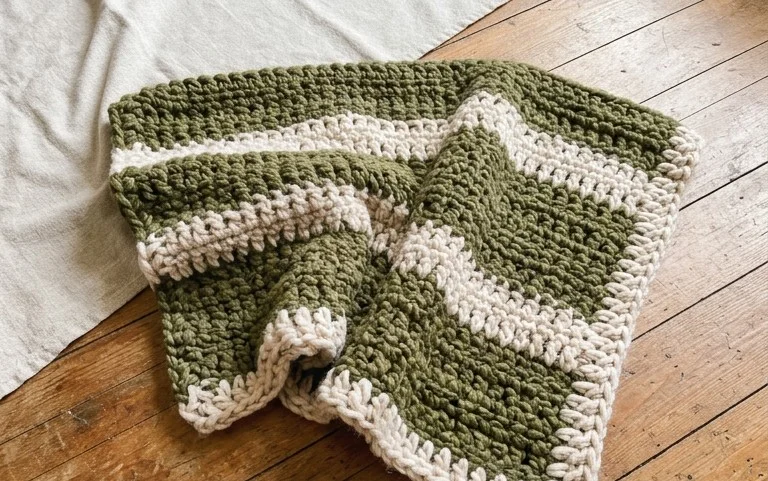
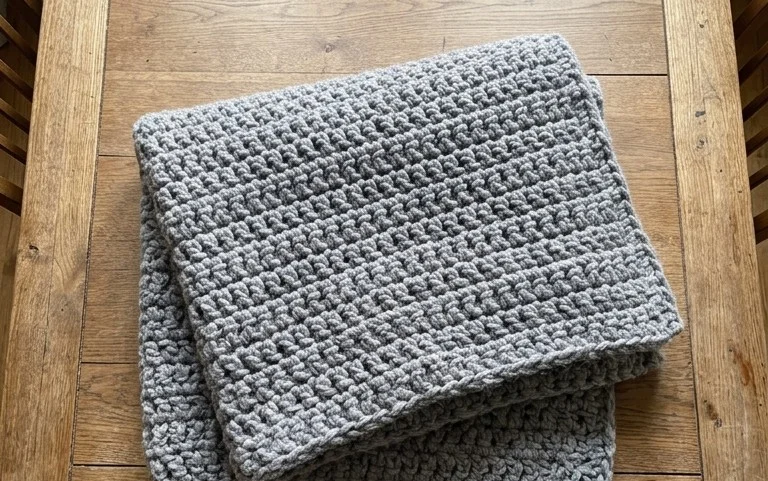
Heavy, oversized loops of wool wrap around your shoulders like a warm hug during cold winter nights when the wind rattles the window panes. This blanket uses chunky weight yarn to create a plush, dense fabric that holds heat exceptionally well while remaining soft against the skin. It is a straightforward project for anyone new to working with large hooks or anyone who wants a finished throw in just a few days of stitching. You will work with a simple half double crochet foundation and minimal shaping to produce a professional, home-style result that mimics high-end boutique bedding.
Why You’ll Love This Pattern
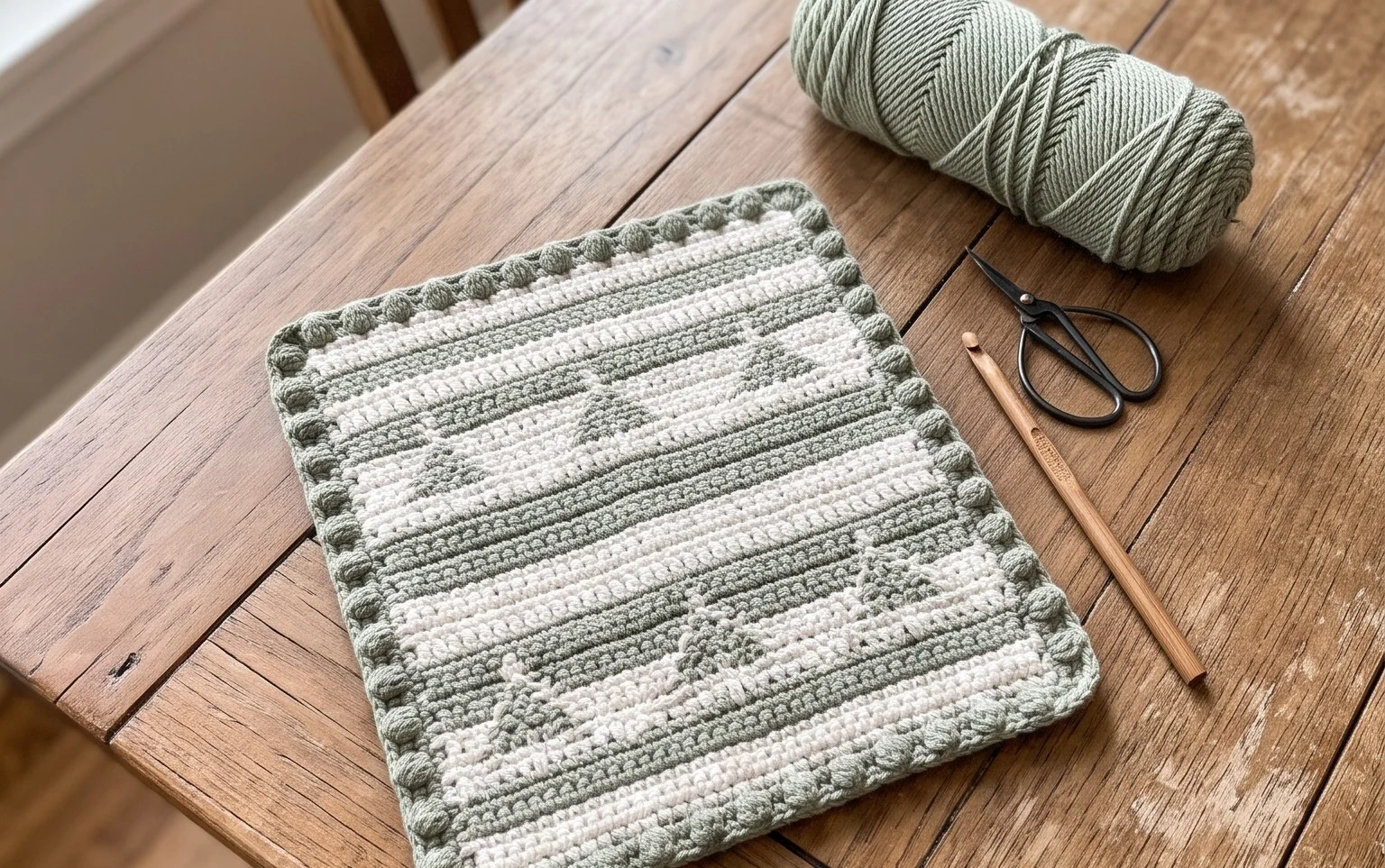
This classic crochet dishcloth is designed with a durable, textured stitch pattern that scrubs effectively while remaining gentle on non-stick cookware. The project relies on the moss stitch, a simple alternation of single crochets and chains that creates a dense fabric without the bulk of thicker yarn projects. Because it works up quickly in a single afternoon, it serves as a functional item for your home or a reliable choice for handmade gift exchanges. The rhythmic nature of the repeating sequence makes this an ideal project for practicing tension and uniform stitch placement.
I managed to finish a set of three of these in one weekend. The texture is exactly what I needed for my cast iron pans, and they hold up perfectly after multiple washes.
— Sarah, home crafter
Pattern Overview & Skill Level
- Skill Level: Beginner
- Approximate Time: 1.5 to 2 hours per cloth
- Construction: Worked in flat rows back and forth
- Finished Dimensions: 8 inches by 8 inches square
Materials & Supplies Needed
- Yarn: Worsted weight (#4), 100% cotton yarn, approximately 75 yards per cloth. Cotton is essential for absorbency and heat resistance.
- Hook Size: 5.0 mm (H-8) crochet hook.
- Notions: Tapestry needle for weaving in ends, scissors, and a measuring tape.
- Yarn Substitutions: You may use a cotton-acrylic blend, though it will be less absorbent than 100% cotton. Avoid wool or synthetic fibers like acrylic for dishcloths, as they do not absorb water well and may melt if they touch a hot surface.
Stitch Guide & Abbreviations (US Terms)
- ch = chain
- sc = single crochet
- st/sts = stitch/stitches
- sk = skip
- turn = turn your work to the opposite side
- Moss Stitch: A technique that involves working a single crochet into the chain-space of the previous row, followed by a chain one, creating a woven, grid-like appearance.
Step-by-Step Pattern Instructions
Main Dishcloth Body
Start by creating a foundation chain that is an even number. This ensures the stitch pattern repeats correctly across the row.
- Foundation: Ch 32.
- Row 1: Sc in the 4th ch from the hook. *Ch 1, sk 1 ch, sc in the next ch. Repeat from * to the end of the row. Turn. (15 sc, 15 ch-1 spaces).
- Row 2: Ch 2, sc in the first ch-1 space. *Ch 1, sk 1 sc, sc in the next ch-1 space. Repeat from * ending with a sc in the turning chain space. Turn. (15 sc, 15 ch-1 spaces).
- Rows 3–40: Repeat Row 2 until the piece measures 8 inches in height.
Finishing
Once you reach the desired length, fasten off the yarn, leaving a 6-inch tail. Use your tapestry needle to weave the yarn tail securely back and forth through the stitches on the back side of the cloth. Trim any excess yarn flush with the fabric to ensure a neat, clean edge.
Care & Washing Instructions
- Machine wash in warm water on a gentle cycle to preserve the shape of the cotton fibers.
- Tumble dry on low heat or lay flat on a clean towel to air dry completely.
- Reshape the dishcloth while it is damp if it has become slightly distorted during the washing process.
Pro Tips & Common Mistakes to Avoid
One common issue for beginners is accidentally increasing or decreasing the stitch count at the ends of the rows. Always count your stitches at the end of each row to ensure you have maintained the same number of single crochets. Keeping your tension consistent throughout the piece is also important; if your stitches are too tight, the fabric will become stiff, but if they are too loose, the holes in the moss stitch will be uneven. Use a stitch marker on the first stitch of every row to easily identify where to place your hook for the turning rows. If you wish to adjust the size, simply add or subtract your starting chain by increments of two, keeping in mind that a larger dishcloth will require more yardage.
Frequently Asked Questions
Can I use a different yarn weight for this pattern?
Yes, you can use a lighter or heavier yarn, but you will need to adjust your starting chain and the total number of rows to reach your desired dimensions. Keep in mind that a different weight will change the drape and scrubbing texture of the cloth.
Why do my edges look uneven?
Uneven edges usually result from missing the last stitch or working into the wrong space at the end of a row. Ensure you are always working into the last chain-space and counting your stitches after every row to keep the edges straight.
Are these dishcloths suitable for selling?
Most designers allow the sale of items made from their patterns, but it is best practice to include credit to the designer in your product listings. Always check the specific usage terms provided by the pattern source if you plan to sell your work in high volume.
Is cotton yarn difficult to work with for beginners?
Cotton yarn has less elasticity than wool or acrylic, which makes it slightly less forgiving if your tension varies. However, it is an excellent material for learning because it clearly defines stitch definition, allowing you to easily see where each stitch belongs.
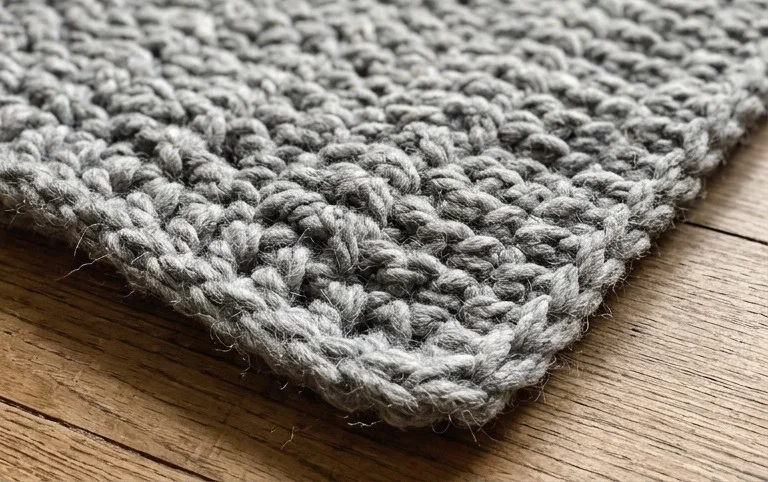
A finished heavy throw makes your living room feel complete and provides genuine warmth on the coldest evenings of the year. Try changing the border to a deep charcoal or navy blue to add a sophisticated frame to your neutral base color. When you finish your version, snap a photo to share your progress online so other makers can see your color choices. Browse through the archive on the main page to find more simple home projects that use similar weight yarns and basic stitches.