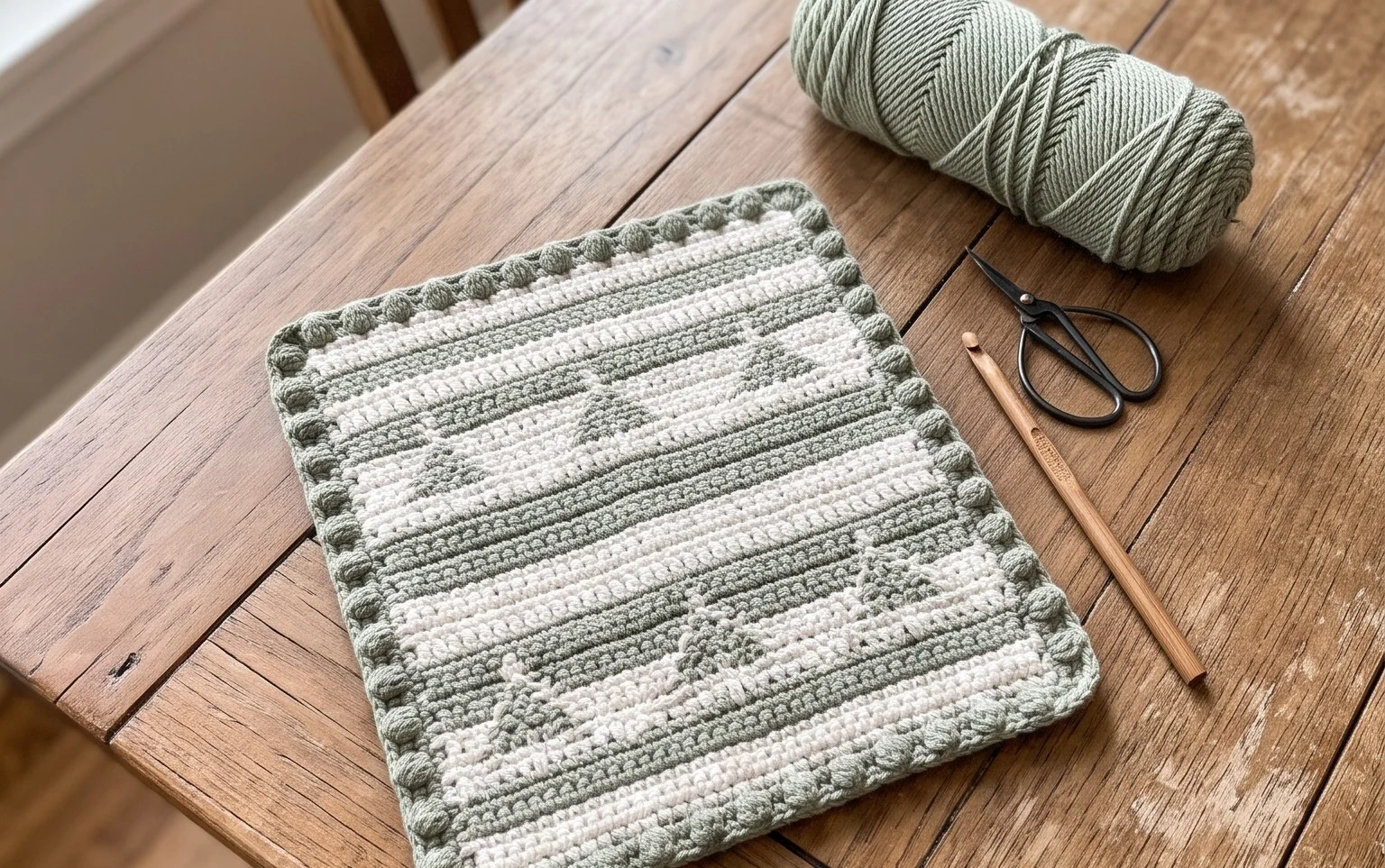
Free Beginner Crochet Dishcloth Pattern in Cotton Yarn
A firm cotton dishcloth with neat, close-set stitches feels sturdy in your hand and sits neatly beside the sink. This flat 8-inch square is a useful project for beginners who want practice with chain stitches and single crochet, and it makes a thoughtful small gift for a new home or a friend who enjoys handmade kitchen pieces. The rows repeat without shaping or joining, so you can focus on keeping your tension even and counting as you go. You’ll learn how the simple stitch pattern builds a dense, washable fabric, plus how to check your gauge so the finished cloth stays close to size. Set aside two to three hours, and you’ll have a practical piece ready for everyday wiping and washing.
Why You’ll Love This Pattern
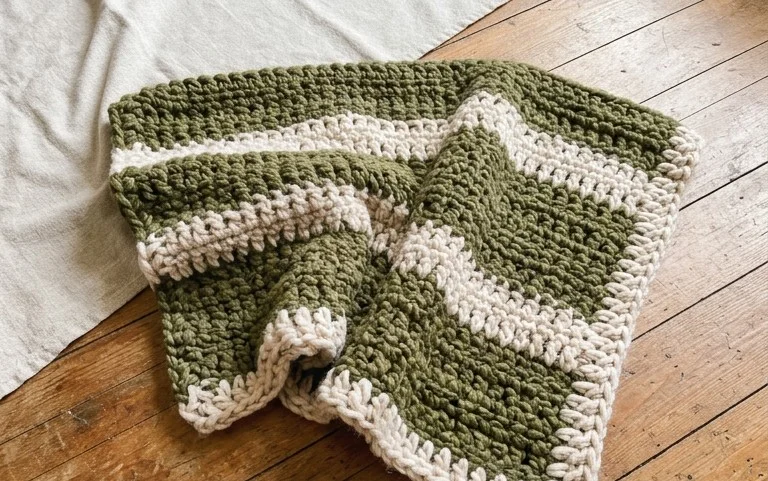
A firm cotton dishcloth with a simple single-crochet texture is handy beside the sink and easy to wash after use. This beginner-friendly pattern is worked flat in rows, so you do not need to join rounds or shape corners. The same stitch count repeats across the cloth, making it a comfortable project for practicing even tension and counting.
One cloth uses roughly 90 yards of worsted cotton, which makes it a practical way to use part of a ball left from another project. The dense fabric is suited to wiping counters and washing dishes, and a finished cloth can also make a useful handmade gift. Allow about two to three hours, depending on your pace and how often you stop to check your stitches.
The rows were easy to keep track of, and the cotton made a sturdy cloth that washed well after use.
— Lena, sample maker review
Pattern Overview & Skill Level
- Skill Level: Beginner. You need to know how to chain and single crochet.
- Approximate Time: Two to three hours.
- Construction: A flat rectangle worked back and forth in rows, without a border or seaming.
- Finished Dimensions & Sizing: About 8 × 8 inches (20 × 20 cm) after washing and drying flat, using the gauge below.
Gauge is 13 single-crochet stitches and 14 rows per 4 inches (10 cm), measured after gently washing and drying a small swatch. Gauge can vary with cotton yarn and hand tension. If your swatch is wider than 4 inches, try a smaller hook; if it is narrower, try a larger hook. Matching gauge helps the cloth reach the stated size and keeps its fabric absorbent without becoming overly stiff.
Materials & Supplies Needed
- Yarn: About 90 yards (82 m) of worsted-weight cotton yarn, category 4. Choose one color, or use a washable cotton in two colors if you want stripes. A solid, light color makes it easier to see each stitch while you work.
- Hook: 5.0 mm / H-8 crochet hook. Use the hook that gives you the stated gauge; your personal tension may call for a different size.
- Notions: Tapestry needle for weaving in the two yarn tails, scissors, and a ruler or tape measure. A stitch marker is optional because this pattern is worked in rows.
- Substitutions: A smooth, machine-washable cotton blend can replace cotton, but check the yarn label for washing instructions. A thinner yarn will make a smaller, lighter cloth; a thicker yarn will make a larger, denser cloth and use more yardage. Recheck gauge and expect the finished dimensions to change.
Stitch Guide & Abbreviations (US Terms)
- ch: Chain.
- sc: Single crochet. Insert the hook into the stitch, yarn over and pull up a loop, then yarn over and pull through both loops on the hook.
- st(s): Stitch or stitches.
- rep: Repeat.
The turning chain at the beginning of each row does not count as a stitch. Work the first single crochet into the first stitch of the row, directly below the turning chain. This keeps the side edges straight and maintains 26 stitches across every row.
Step-by-Step Pattern Instructions
Dishcloth
Make a starting chain that is loose enough to lie flat. Do not count the loop on your hook as a chain. The finished cloth is worked in one piece, with no increases or decreases.
- Foundation: Ch 27.
- Row 1: Sc in the second ch from the hook and in each ch across. Turn. (26 sts)
- Rows 2–28: Ch 1, sc in each st across. Turn. (26 sts)
After Row 28, fasten off, leaving a tail long enough to weave in. Pull the yarn through the final loop to secure it. Thread each tail onto a tapestry needle and weave it through several stitches on the wrong side. Change direction once before trimming the excess, which helps keep the ends from working loose in the wash. There is no seam or border to add.
Lay the cloth flat and measure it. If it is close to 8 inches square and the edges are straight, your tension is suitable. A small difference is normal because cotton can relax after washing. If it is notably shorter or longer, use the finished sample as a guide when making another cloth: adjust the number of rows for length and the starting chain for width.
Care & Washing Instructions
- Wash cotton in a machine on a warm cycle, about 40°C (104°F), or follow the yarn label if it gives a lower temperature.
- Dry flat when practical; reshape the damp cloth by patting the corners and edges into a square.
- Block lightly while damp if the edges curl, pinning only as needed and letting the cloth dry fully before use.
Pro Tips & Common Mistakes to Avoid
- Keep the foundation chain relaxed. A tight starting chain can pull the bottom edge inward even when the rows are correct. If you tend to chain tightly, use a hook one size larger for the foundation chain, then switch back to the 5.0 mm hook for Row 1.
- Count each row. Check for 26 stitches before turning. Missing the first stitch at the edge is a common reason a rectangle gradually narrows. A marker in the first or last stitch can help you see the row boundary.
- Hide the yarn tails securely. Weave each end through the wrong side of several stitches, then change direction. Avoid leaving a short tail that could pull out during washing, and do not knot it into a hard bump.
- Adjust the size with the fabric in mind. Add or remove foundation chains in pairs if you want to change the width, and add or remove rows to change the length. More stitches and rows use more yarn; a larger hook also makes a looser, often larger cloth, so check gauge before making several.
Frequently Asked Questions
Can I use acrylic yarn instead of cotton?
You can, but acrylic may feel less absorbent and can behave differently when exposed to heat. Choose a smooth, washable yarn, check its care label, and make a small swatch first. The finished size and feel may differ from the cotton version.
How can I make the dishcloth wider or longer?
For more width, add chains to the foundation; each added chain gives one additional stitch in Row 1. For more length, work extra rows beyond Row 28. Either change increases yarn use, and your gauge determines how much the final dimensions shift.
Is this pattern suitable for a first crochet project?
Yes. It uses only chains and single crochet, with the same 26-stitch count on every row. The main challenge is keeping the first and last stitches visible, so count each row until the straight edges become easy to recognize.
May I sell dishcloths made from this pattern?
Check the pattern designer’s terms before selling finished items, and follow any conditions stated there. If you share photos or list the cloth for sale, credit the pattern designer when their terms request it.
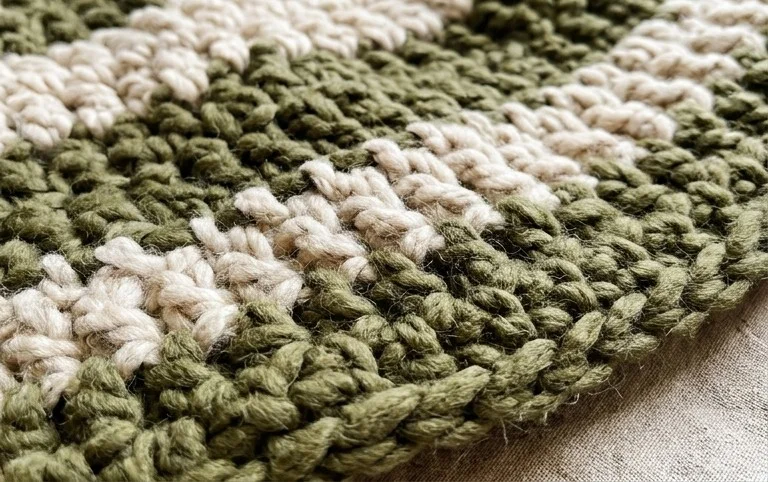
Your finished cotton cloth should feel firm, lie flat, and be ready for regular use by the sink. For a simple variation, work the same pattern in a different cotton color to suit your kitchen or make a set with one shade for each task. If you change yarn weight, check your gauge again because the finished size and fabric density may shift. Share a photo of your cloth on Pinterest or your favorite social platform so other makers can see how your colors turned out. Then browse the blog for more free crochet patterns, including small projects that use a single ball of yarn and are handy to make between larger pieces.