Easy Christmas Paw Stocking Free Crochet Pattern Guide
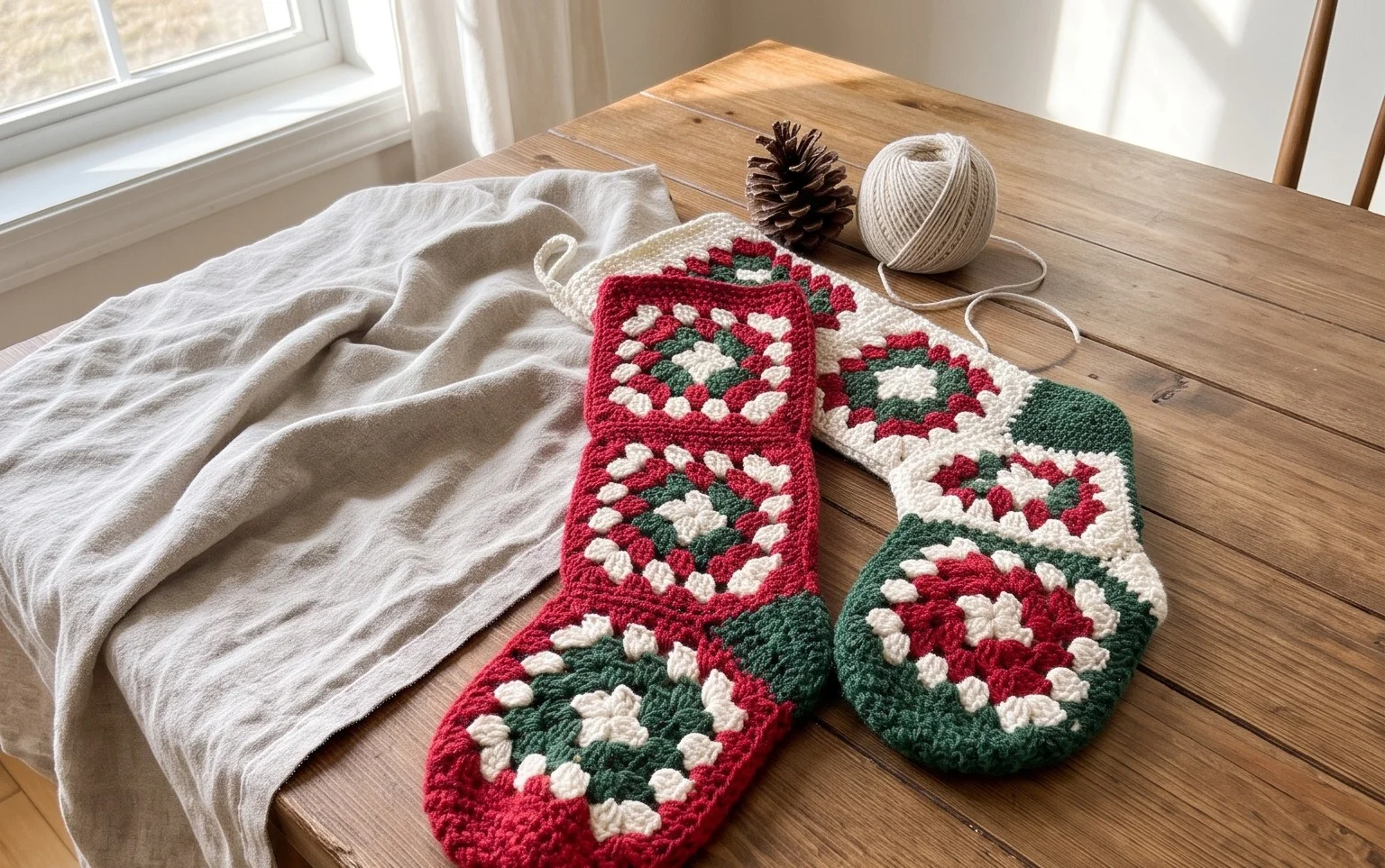
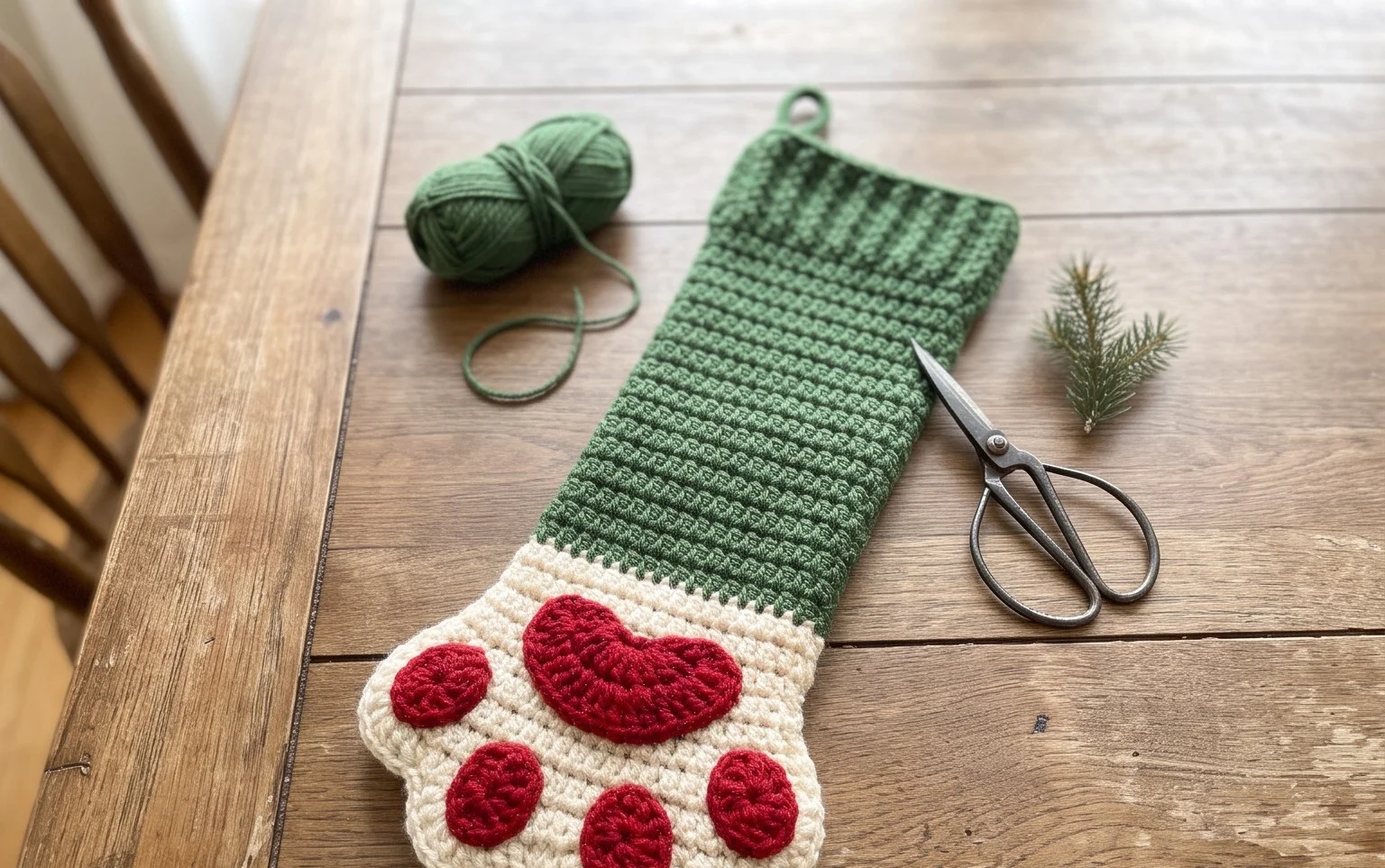
A handmade stocking shaped like a pet paw adds a soft, fuzzy touch to your fireplace mantel during the holiday season. These stockings feature a roomy toe area perfect for hiding treats or small toys for your furry family members. Working with thick, plush yarn creates a dense fabric that holds its shape well even when filled with heavier items. You will rely on basic single crochet stitches and simple increases to form the distinct paw pad details. This project is a quick way to practice shaping while building a custom accessory for your pet this year.
Why You’ll Love This Pattern
The Simple Textured Dishcloth is a functional staple that relies on the classic moss stitch, creating a dense, durable fabric that scrubs surfaces effectively. Because it uses only single crochet and chain stitches, it serves as an excellent meditative project for crocheters who enjoy rhythmic, repetitive motions. This pattern works up quickly in under two hours, making it an ideal choice for last-minute gifts or stocking up on kitchen essentials. You can easily complete the entire project using a single 100-gram skein of cotton yarn, which keeps costs low and simplifies your supply list.
I finished this dishcloth in one evening while watching a show. The texture is much thicker than my store-bought ones and holds up perfectly after several trips through the laundry.
— Sarah, home crafter
Pattern Overview & Skill Level
- Skill Level: Beginner
- Approximate Time: 1.5 to 2 hours
- Construction: Worked flat in rows with a chain-space return to create the moss stitch texture
- Finished Dimensions & Sizing: 8 inches by 8 inches
Materials & Supplies Needed
- Yarn: Worsted weight (#4) 100% cotton yarn, approximately 85 yards. Using 100% cotton is important because acrylic yarns do not absorb water well and may melt if they touch a hot pan.
- Hook Size: 5.0 mm (US H-8)
- Notions: Tapestry needle for weaving in ends, scissors, and a measuring tape.
- Safe yarn substitutions: You can use a cotton-linen blend for increased durability or a bamboo-cotton blend for a softer feel. Be aware that bamboo blends have less structure and may stretch out of shape faster than pure cotton.
Stitch Guide & Abbreviations (US Terms)
- ch = chain
- st(s) = stitch(es)
- sc = single crochet
- sk = skip
- sp = space
- Moss Stitch: A pattern created by alternating single crochet stitches and chain stitches, working the single crochet into the chain space of the previous row.
Step-by-Step Pattern Instructions
The dishcloth is worked in rows. You will turn your work at the end of each row. The turning chain does not count as a stitch.
Main Body
- Row 1: Ch 30. Sc in the 4th ch from the hook. *Ch 1, sk 1 ch, sc in the next ch. Repeat from * until the end of the row. (15 sc, 14 ch-1 sps)
- Row 2: Ch 2, turn. Sc in the first ch-1 sp. *Ch 1, sk 1 sc, sc in the next ch-1 sp. Repeat from * until you reach the final turning ch-sp. Sc in the last ch-sp. (15 sc, 14 ch-1 sps)
- Rows 3–28: Repeat Row 2 until the piece measures 8 inches square.
- Finishing: Fasten off, leaving a 6-inch tail. Use your tapestry needle to weave the end through the back of the stitches to secure it.
Care & Washing Instructions
- Machine wash your dishcloth in warm water using a gentle cycle to maintain the integrity of the cotton fibers.
- Tumble dry on low heat or lay flat on a clean towel to air dry, which helps the dishcloth retain its square shape.
- If the cloth becomes misshapen after drying, dampen it slightly with water and pull the corners into a square to reshape it as it air dries.
Pro Tips & Common Mistakes to Avoid
- Maintain consistent tension throughout the project. Because the moss stitch relies on chain spaces, pulling your chain stitches too tight will cause the cloth to pucker, while keeping them too loose will create large gaps.
- Place a stitch marker in the first and last stitch of each row if you are a beginner. This ensures you do not accidentally drop stitches at the edges, which is the most common cause of a dishcloth turning into a trapezoid.
- Weave your ends in by running the needle through the center of the stitches rather than over the surface. This hides the tail completely and prevents it from unraveling during heavy-duty scrubbing.
- To adjust the size, simply start with an even number of chains. Increasing your starting chain by 2 adds approximately half an inch to the width, but remember that a larger cloth will require more than one skein of yarn.
Frequently Asked Questions
Can I use a larger hook to make the cloth work up faster?
Yes, you can increase your hook size to 5.5 mm or 6.0 mm. This will create a looser, more porous fabric that dries more quickly, though it will have a less dense feel for scrubbing stubborn messes.
Why is my dishcloth curling at the edges?
Curling often happens when the tension of the chain stitches differs significantly from the single crochet stitches. Try to keep your chain stitches slightly larger and more relaxed to allow the fabric to lay flat.
Can I sell the dishcloths I make from this pattern?
You are welcome to sell items made from this design at local craft fairs or on small online shops. Please credit the original pattern designer when listing your items.
Is this pattern suitable for complete beginners who have never held a hook?
This pattern is perfect for those who know the basics of making a slip knot, a chain, and a single crochet stitch. It is a manageable first project because it does not require complex shaping or counting complex repeats.
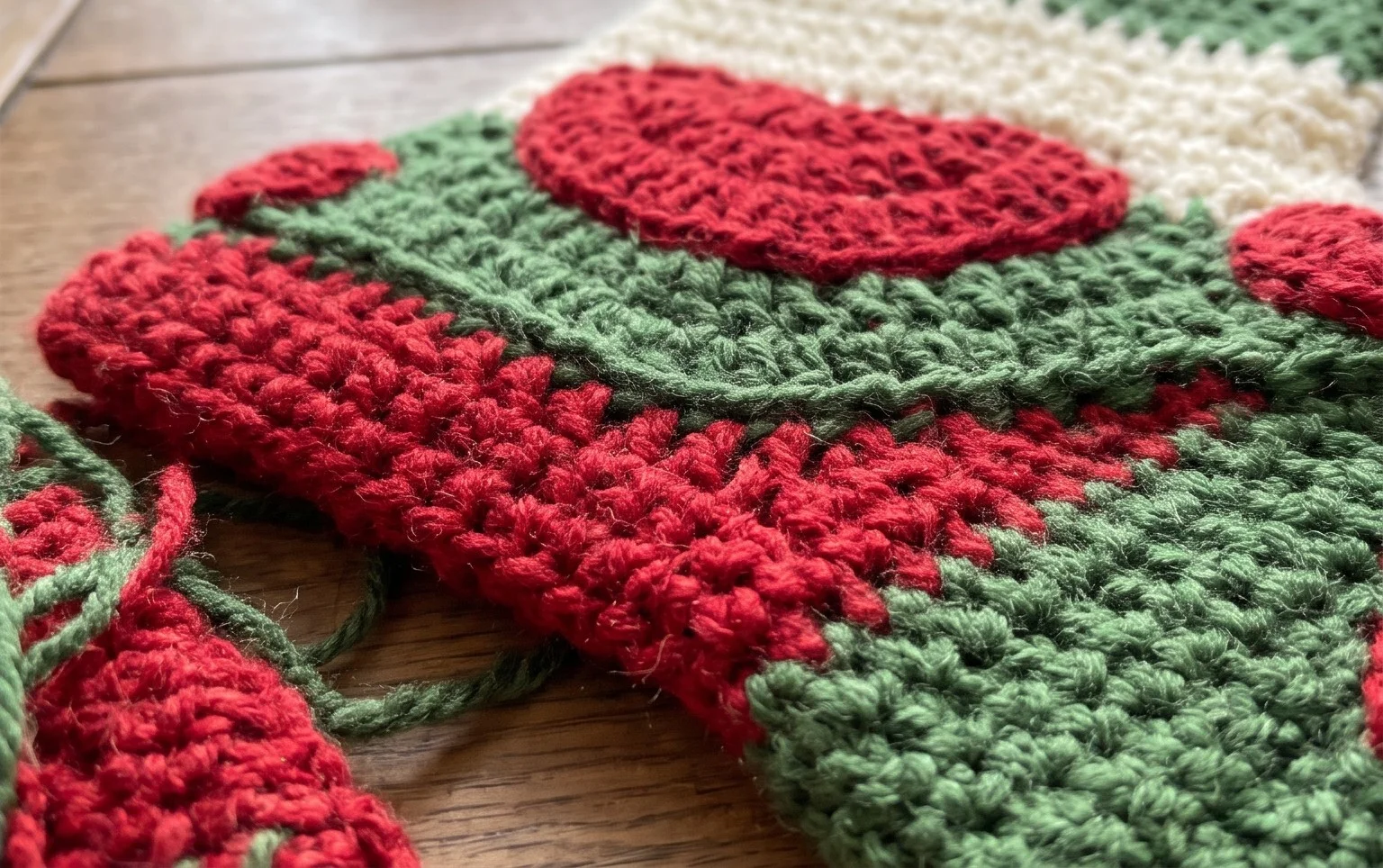
Your finished paw-shaped stocking is a thoughtful addition to your holiday decor that celebrates your pet in a handmade way. You can modify the size by switching to a bulkier yarn or change the main color to match your living room theme. Post a picture of your completed project on social media to show off those unique paw pad stitches. Browse the rest of the blog for more holiday designs and seasonal gift ideas you can finish before the festivities begin.