Easy Crochet Dishcloth Pattern: Step-by-Step for Beginners
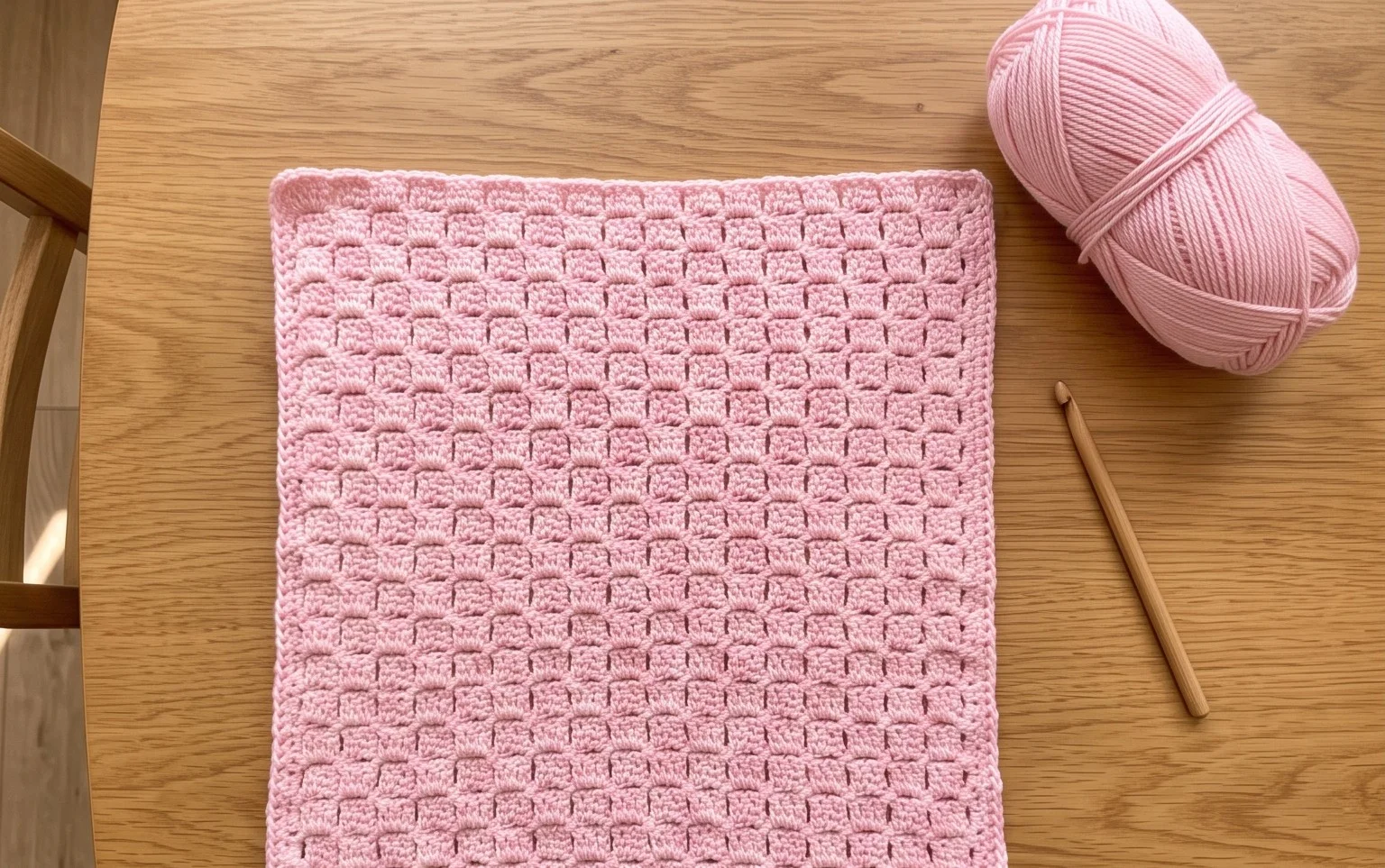
Worsted cotton gives this crochet dishcloth a firm, lightly textured feel that works well for everyday washing. The finished square measures about 7.5 inches on each side, with tidy rows of single crochet and no seams to sew. It suits beginners who are ready to practice even stitches, gift makers putting together a useful handmade present, and anyone who likes simple, practical home projects. Working back and forth in rows makes the shape easy to track, and the steady rhythm gives you a satisfying project to pick up in small stretches. As you follow along, you’ll learn how to count your stitches, keep the edges straight, and finish the last row neatly. A little care with tension is all it takes to make a cloth you’ll be glad to use or give.
Worsted cotton makes a firm, absorbent dishcloth with a simple single-crochet texture. This beginner-friendly square is worked in rows, so you can practice even stitches and learn to count without managing increases, decreases, or joined rounds.
Why You’ll Love This Pattern
This dishcloth uses one basic stitch and a rectangular panel, making it a good first project after learning how to chain and single crochet. The steady row repeat is easy to pick up again after a break, and a single cloth usually takes about two to three hours, depending on your pace.
It also uses a small amount of yarn. A partial ball of worsted cotton may be enough, though you will want a little extra if you make a gauge swatch or add a larger border. The finished cloth is useful for everyday washing and makes a practical handmade gift.
The rows were easy to follow, and the cotton made a sturdy cloth. I checked my edges every few rows and finished with a neat square.
— Lina, illustrative maker review
Pattern Overview & Skill Level
- Skill Level: Beginner. You need to know how to chain and single crochet.
- Approximate Time: Two to three hours, plus time to weave in the ends and wash the cloth before use.
- Construction: A flat square worked back and forth in rows, with no seams or separate pieces.
- Finished Dimensions & Sizing: About 7.5 × 7.5 in (19 × 19 cm) when the stated gauge is met. The cloth may relax slightly after washing.
Materials & Supplies Needed
- Yarn: About 70–90 yd (64–82 m) of worsted-weight cotton yarn, also called medium weight or #4. Use one color, or join a second color only after finishing a row.
- Hook Size: 5.0 mm / H-8 crochet hook. Use the hook that gives you the stated gauge; cotton can feel firm, so adjust if your hands find it uncomfortable.
- Notions: Tapestry needle for weaving in ends, scissors, ruler or tape measure, and a removable stitch marker to mark the first row if helpful.
- Substitutions: Choose 100% cotton for good absorbency and heat tolerance. Cotton blends may feel softer or stretch more. A different yarn weight changes the cloth’s size and thickness, so make a gauge swatch and expect to use a different amount of yarn.
Gauge: 16 single-crochet stitches and 16 rows measure 4 in (10 cm) after washing and drying. If your swatch is wider than 4 in, try a smaller hook; if it is narrower, try a larger hook. The finished dimensions are estimates and depend on your gauge.
Stitch Guide & Abbreviations (US Terms)
- ch: Chain. Yarn over and pull through the loop on the hook.
- sc: Single crochet. Insert the hook into the indicated stitch, yarn over and pull up a loop, then yarn over and pull through both loops on the hook.
The turning chain at the start of each row does not count as a stitch. Work the first single crochet into the first stitch of the row, not into the turning chain. The pattern uses US crochet terms throughout.
Step-by-Step Pattern Instructions
Dishcloth Panel
- Foundation: Ch 31. The foundation chain creates 30 stitches for the first row.
- Row 1: Sc in the second ch from the hook and in each ch across. Turn. (30 sts)
- Row 2: Ch 1, sc in each stitch across. Turn. (30 sts)
- Rows 3–30: Repeat Row 2, keeping 30 stitches in every row. On Row 30, do not turn after the last stitch. (30 sts per row)
For an even square, measure the panel after Row 28. If it is close to 7.5 in long, work two more rows. If your row gauge differs, follow the dimensions rather than adding or removing stitches from each row. Keep all 30 stitches to maintain straight sides.
Finishing
- Cut the yarn, leaving a tail of about 6 in (15 cm). Pull the tail through the final loop to secure it.
- Thread the tail onto a tapestry needle. Weave it through several stitches along the edge, then change direction once so it is less likely to work loose. Weave in the foundation tail the same way.
- Wash and dry the cloth according to the yarn label. Lay it flat and ease the edges into a square while damp. Let it dry completely before using or gifting.
Care & Washing Instructions
- For cotton yarn, machine-wash with like colors in warm water, up to 40°C (104°F), unless the yarn label gives different instructions.
- Dry flat when possible; avoid high dryer heat, which can shrink cotton or make it feel stiff.
- While damp, reshape the corners and sides by hand. Follow the yarn label if you used a blend or another fiber.
Pro Tips & Common Mistakes to Avoid
- Keep your tension relaxed and consistent. Cotton has less stretch than many acrylic yarns, so gripping it tightly can make your hands tire and the fabric feel rigid.
- Count the stitches at the end of every few rows. If the edge loses a stitch, check whether the first single crochet was missed; the turning chain does not count as a stitch.
- Weave each end through the fabric edge, then reverse direction for a few stitches. Avoid pulling the tail tight, which can pucker the square.
- To make a larger cloth, add stitches in multiples of one and work more rows to match its width. A larger finished square uses more yarn; changing the hook alone can also make the fabric looser or denser.
Frequently Asked Questions
Can I use acrylic yarn instead of cotton?
You can, but acrylic is generally less absorbent and may not handle hot dishes as well. For a cloth used near heat or for washing, cotton is the better choice. Check the yarn label before using any fiber for hot cookware.
How can I make the dishcloth smaller or larger?
For a narrower cloth, chain fewer stitches, making sure the chain count is one more than the number of stitches you want in Row 1. Add or remove rows to adjust the length. Recheck the dimensions as you work, since gauge affects the finished size.
Is this pattern suitable for a first crochet project?
Yes, if you can make a chain and single crochet. The main challenge is keeping 30 stitches in each row. Count regularly and check that both sides stay straight before continuing.
May I sell dishcloths made from this pattern?
Check the designer’s pattern terms before selling finished items, and follow any credit or quantity requirements. If you share the pattern itself, follow the terms that apply to the written instructions.
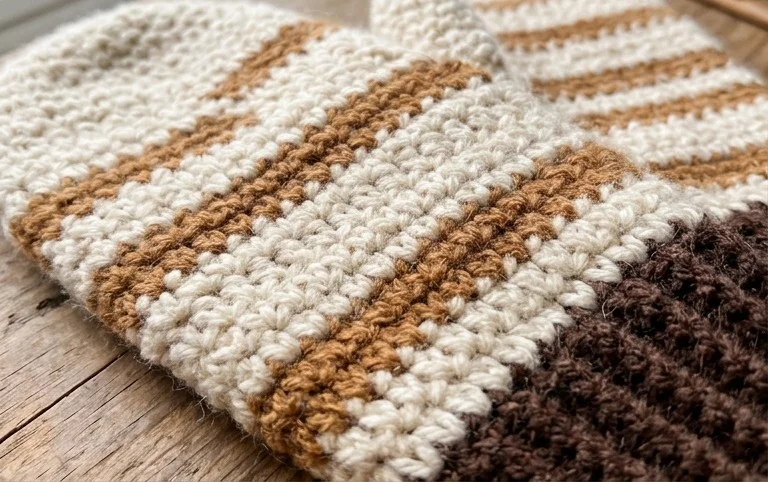
Once the final ends are woven in, you’ll have a sturdy cotton square with neat rows and a useful place by the sink. If you’d like to change the look, use a different cotton color or work a few extra rows and stitches for a larger cloth, keeping the shape square. Wash and dry the finished piece before using it, since cotton can relax a little after its first wash. If you make one, share a photo on Pinterest or your favorite social media platform; it’s always nice to see the colors and small variations makers choose. Then browse the blog for more free crochet patterns and simple projects to keep your hook moving.